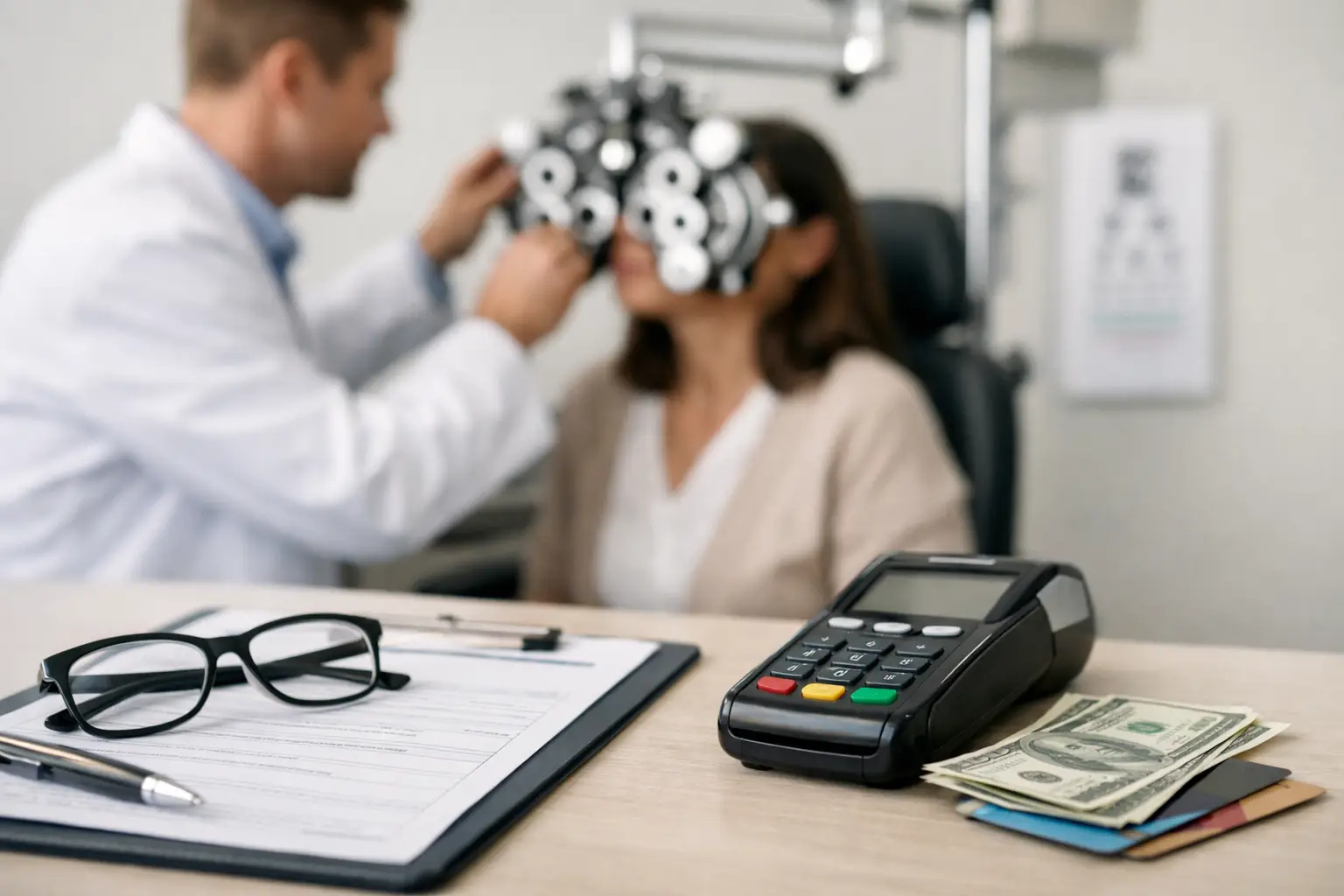
Standing at the checkout with new glasses should feel simple, not stressful. That is why direct billing for vision benefits matters to so many families. Instead of paying the full amount upfront and sorting through claim forms later, you can often have eligible costs sent straight to your insurance provider while you are still in the store.
For many people, that convenience is not just nice to have. It can make it easier to say yes to the eye exam, prescription lenses, or replacement pair they have been putting off. When budgets are tight or life is busy, removing one more errand can make a real difference.
What direct billing for vision benefits actually means
Direct billing for vision benefits means your optical store submits the claim to your insurance plan on your behalf for eligible products or services. If your plan approves the claim right away, you usually only pay the remaining balance, if there is one.
That balance depends on your coverage. Some plans cover a routine eye exam, a set amount toward frames, and part or all of your lenses. Others have fixed allowances, annual limits, or restrictions on lens upgrades. The easiest way to think about it is this: direct billing can reduce paperwork and upfront cost, but it does not change the terms of your insurance plan.
That distinction matters. People sometimes assume direct billing means everything is covered. In reality, coverage depends on your employer plan, private insurance policy, renewal dates, and whether specific items qualify.
Why customers ask for it
The biggest reason is convenience. Filling out forms, saving receipts, and waiting for reimbursement is one more task most people would rather avoid. Direct billing can make the visit feel more manageable, especially for parents juggling appointments, seniors keeping track of multiple health benefits, or anyone replacing broken glasses quickly.
There is also more clarity at the time of purchase. When the claim is processed in store, you can often get a better sense of what your plan may cover before you leave. That makes it easier to choose frames and lenses with confidence instead of guessing what reimbursement might look like later.
For a local, service-focused optical store, this matters even more. Personal support should include helping customers understand the financial side of buying eyewear, not just the fit and style. Honest guidance is part of good care.
How the process usually works
In most cases, the process is straightforward. You bring your current insurance information, along with any prescription or exam details needed for your order. The store checks whether your provider supports direct billing and then submits eligible charges electronically.
If the claim goes through right away, your covered amount is applied and you pay the difference. If the system cannot confirm coverage instantly, you may still need to pay upfront and submit the claim yourself later. That does not always mean something is wrong. Sometimes the insurer system is down, some details do not match, or the plan requires manual review.
This is one reason a patient, helpful optical team makes such a difference. A good store will explain what happened in plain language and tell you your next step without making the situation feel complicated.
What to bring for direct billing for vision benefits
A little preparation can save time at the counter. If you want to use direct billing for vision benefits, bring your insurance card or policy information, the full name and birth date of the person covered, and any prescription details related to the order.
It also helps to know who the primary policyholder is if coverage is through a spouse, parent, or workplace plan. Small mismatches, such as using a nickname instead of a legal name, can sometimes delay a claim. If you have secondary coverage, bring that information too. In some cases, coordination between two plans can lower your out-of-pocket cost even more, though it may take an extra step.
For parents, having benefit details ready before bringing in a child for glasses can make the visit smoother. For older adults, especially those managing several health-related benefits, it can help to keep a photo of the insurance card on the phone as a backup.
What may be covered and what may not
This is where expectations matter. Vision plans vary a lot, even when two people have insurance through large employers. One plan may offer a generous frame allowance every two years, while another focuses more on exams and basic lenses.
Items commonly covered can include routine eye exams, prescription lenses, standard frames, and sometimes contact lenses. But extras such as premium coatings, blue light options, thinner lens materials, progressive lenses, or non-prescription sunglasses may only be partially covered or not covered at all.
That does not mean those upgrades are a bad idea. Sometimes they are well worth it, especially for stronger prescriptions, children who need durable lenses, or adults who wear glasses all day for work. It just means the decision should be clear and pressure-free. You should know what your insurance may contribute and what the added cost would be before moving forward.
That honest conversation is often what people appreciate most from an independent optical store. Good service is not about pushing the most expensive option. It is about helping you choose what fits your vision needs, your lifestyle, and your budget.
Common issues people run into
The most common problem is assuming active coverage without checking renewal dates or remaining balances. Many plans reset on a yearly or two-year schedule, and customers are sometimes surprised to learn they already used part of the benefit.
Another issue is provider limitations. Some insurance companies support electronic direct billing with certain stores and not others. That is why it helps to ask in advance whether your plan can be billed directly.
There can also be timing issues. An eye exam may be covered separately from glasses, or your prescription may need to be current before lenses can be processed through insurance. None of this is unusual, but it can be frustrating if nobody explains it clearly.
The best approach is simple: ask questions early. A caring optical team should be comfortable walking through the details with you.
Why local service matters here
Direct billing is about convenience, but the real value is in how it is handled. Large chains may offer billing support, but that does not always mean the experience feels personal. When you are rushed through a purchase or left to figure out plan details on your own, convenience can disappear quickly.
A family-run optical store often takes a different approach. There is more room for conversation, more flexibility in helping you find options within your budget, and more attention to what you actually need. If your plan covers only part of the cost, a helpful team can show you practical frame and lens choices without making you feel like you are settling.
That is especially important for families, seniors, and anyone with a more complex prescription. If you need prism correction, progressive lenses, or a backup pair for everyday use, you want advice that is thoughtful and realistic. The billing process should support that, not get in the way of it.
Questions worth asking before you buy
Before you choose your eyewear, it helps to ask whether your plan covers the exam, frames, lenses, or lens upgrades, how much allowance remains, and whether your benefits reset annually or every two years. You can also ask what happens if the claim does not go through instantly.
These are not difficult questions, and a trustworthy optical store should welcome them. The goal is not to make the process sound complicated. The goal is to help you avoid surprises.
At Dala Optical, that kind of straightforward support is part of the experience. People want to know where they stand, what their options are, and how to get the best value from their benefits without pressure.
A simpler way to use the benefits you already have
Vision coverage is there to help you keep up with eye care and eyewear, but many people do not use it as fully as they could. Sometimes they are unsure what is covered. Sometimes they put off shopping because the reimbursement process feels like a hassle. Direct billing removes some of that friction.
It is not a promise that every item will be covered, and it is not a substitute for reading your plan. But it can make the buying process easier, faster, and less stressful. For busy households and anyone watching their spending, that convenience is meaningful.
If you have vision benefits, it is worth bringing your insurance information with you and asking what can be billed directly. A good optical store will help you make sense of the details and find a solution that feels right, both for your eyes and for your budget.
Leave a Reply