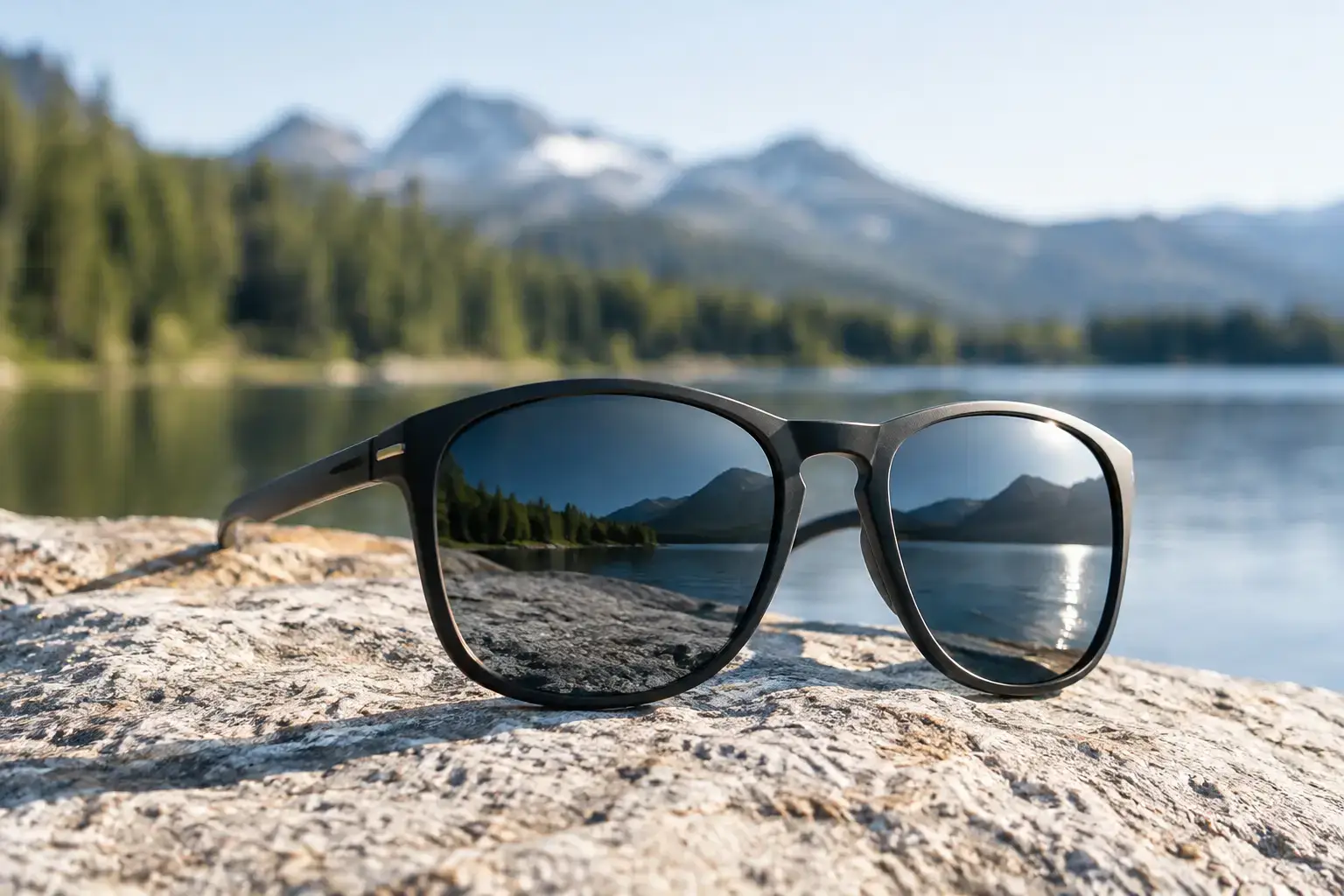
A bright afternoon drive can be more uncomfortable than it looks. Sunlight bouncing off the road, windshields, water, or snow creates harsh glare that makes you squint and work harder to see clearly. That is where many people start asking: are polarized lenses worth it? For plenty of sunglass wearers, the answer is yes – but the right choice depends on how, where, and when you use your eyewear.
Polarized lenses are not simply darker lenses. They are made with a special filter that blocks much of the reflected light that causes glare. The result can be sharper, more comfortable vision in bright outdoor conditions. They can be a smart upgrade, especially if you spend time driving, near water, or outside with family. Still, they are not automatically the best fit for every pair of sunglasses or every routine.
What polarized lenses actually do
Light normally travels in many directions. When sunlight reflects off a flat surface, such as pavement, a lake, wet roads, or a car hood, it becomes concentrated in a horizontal direction. That reflected light is what creates the intense glare that can feel distracting or even painful.
A polarized lens has a built-in filter designed to reduce that horizontal glare. It does not make a cloudy day sunny or replace proper UV protection. Instead, it makes bright reflected light less overwhelming, which can help objects look more defined and colors appear more natural.
This difference is often easiest to notice near water. Without polarized sunglasses, the surface of a lake or pool may look like a sheet of bright reflection. With polarization, you may be able to see more detail below or beyond the surface. The same idea applies to driving, where glare from a wet street or another vehicle can make it harder to stay comfortable behind the wheel.
Are polarized lenses worth it for driving?
For many drivers, polarized lenses are absolutely worth considering. Morning and late-afternoon sun can reflect strongly off pavement, dashboards, other cars, and wet roads. Reducing that glare may make a long commute, a weekend road trip, or a quick school pickup feel easier on your eyes.
They can be especially helpful if you find yourself squinting despite wearing sunglasses. Squinting is often your eyes trying to limit excess light. A well-fitted pair of polarized sunglasses can reduce that strain while giving you more consistent visual comfort.
That said, polarized lenses should not be viewed as a safety guarantee. They cannot remove every source of glare, improve poor nighttime visibility, or replace a current prescription. If you have trouble seeing road signs, experience halos around lights, or notice sudden changes in vision, an eye exam is the better next step.
Who benefits most from polarized sunglasses?
Polarization tends to offer the most value to people who regularly encounter reflected sunlight. If you drive often, spend weekends at the park, watch your children’s sports, walk the dog, garden, fish, boat, golf, ski, or work outdoors, you are likely to notice the benefit.
They are also a practical option for anyone with light-sensitive eyes. Some people naturally feel more bothered by bright conditions, even with a standard tinted lens. Polarization will not solve every kind of light sensitivity, but it can reduce one of the most common outdoor irritants: reflected glare.
Prescription wearers can benefit just as much as people buying non-prescription sunglasses. A quality pair of prescription polarized sunglasses allows you to see clearly at your proper prescription while enjoying better glare control. For people who rely on glasses all day, that can make outdoor activities much more enjoyable than trying to wear generic sunglasses over their regular frames.
When polarized lenses may not be the best choice
There are trade-offs, and honest advice matters here. Polarized lenses can make certain digital displays harder to see from particular angles. Depending on the screen and your viewing position, this may affect some car displays, aircraft instruments, phones, GPS units, ATMs, or LCD screens.
Most people adapt easily by slightly moving their head or device. But if your work depends on reading specialized screens outdoors, it is worth discussing before choosing polarized lenses. Pilots, some equipment operators, and people who frequently rely on LCD displays may prefer a non-polarized sunglass lens.
Polarized lenses are also not always necessary for occasional use. If you only wear sunglasses for short trips from the house to the car, a good quality non-polarized lens with full UV protection may serve you well. The goal is not to add features you will not use. It is to choose eyewear that genuinely makes your day more comfortable.
Polarized lenses and UV protection are different
One common misunderstanding is that polarized lenses automatically offer better UV protection. They often come together in quality sunglasses, but they do different jobs.
UV protection helps shield your eyes from harmful ultraviolet rays. Polarization reduces reflected glare. A lens can be polarized and have poor UV protection, or it can offer excellent UV protection without being polarized. When choosing sunglasses, look for both: proper UV protection as the baseline, then polarization if glare reduction will improve your outdoor experience.
Lens color is separate, too. Gray lenses provide a more neutral view of colors and are a popular all-purpose option. Brown or amber lenses can increase contrast for some activities and conditions. Green lenses offer a balanced appearance that many wearers find comfortable. The best tint is personal, and it should be chosen based on how you plan to use your sunglasses rather than simply what looks darkest.
Are polarized lenses worth it with a prescription?
For prescription sunglasses, polarization can be one of the most worthwhile upgrades because it improves the pair you are most likely to use in bright conditions. If you already wear glasses to drive, read signs, or see faces clearly, having a dedicated prescription sunglass pair can remove a lot of daily frustration.
The best result comes from getting the fit right. The frame should sit comfortably, provide enough coverage around your eyes, and hold your lenses in the proper position. A frame that slides down your nose or leaves large gaps at the sides will not feel as effective, even with a premium lens.
This is also where one-on-one guidance can make a difference. Lens options, frame shape, prescription strength, and how you use your eyewear all affect the final recommendation. At Dala Optical, the focus is on helping you choose what fits your needs, not pushing an upgrade that does not.
A practical way to decide
Think about the moments when sunlight bothers you most. If glare from the road makes driving uncomfortable, if water or snow leaves you squinting, or if you spend hours outdoors, polarized lenses are likely a worthwhile investment. The comfort can be noticeable from the first wear, and a good pair can become the sunglasses you reach for every day.
If screen visibility is a major concern, or you rarely spend meaningful time outside, ask to compare polarized and non-polarized options before deciding. Try them on, look through them in realistic lighting, and pay attention to the difference your own eyes notice.
The right sunglasses should feel like relief, not another complicated purchase. A thoughtful fitting and an honest conversation about your routine can help you choose lenses that make bright days easier to enjoy.
Leave a Reply