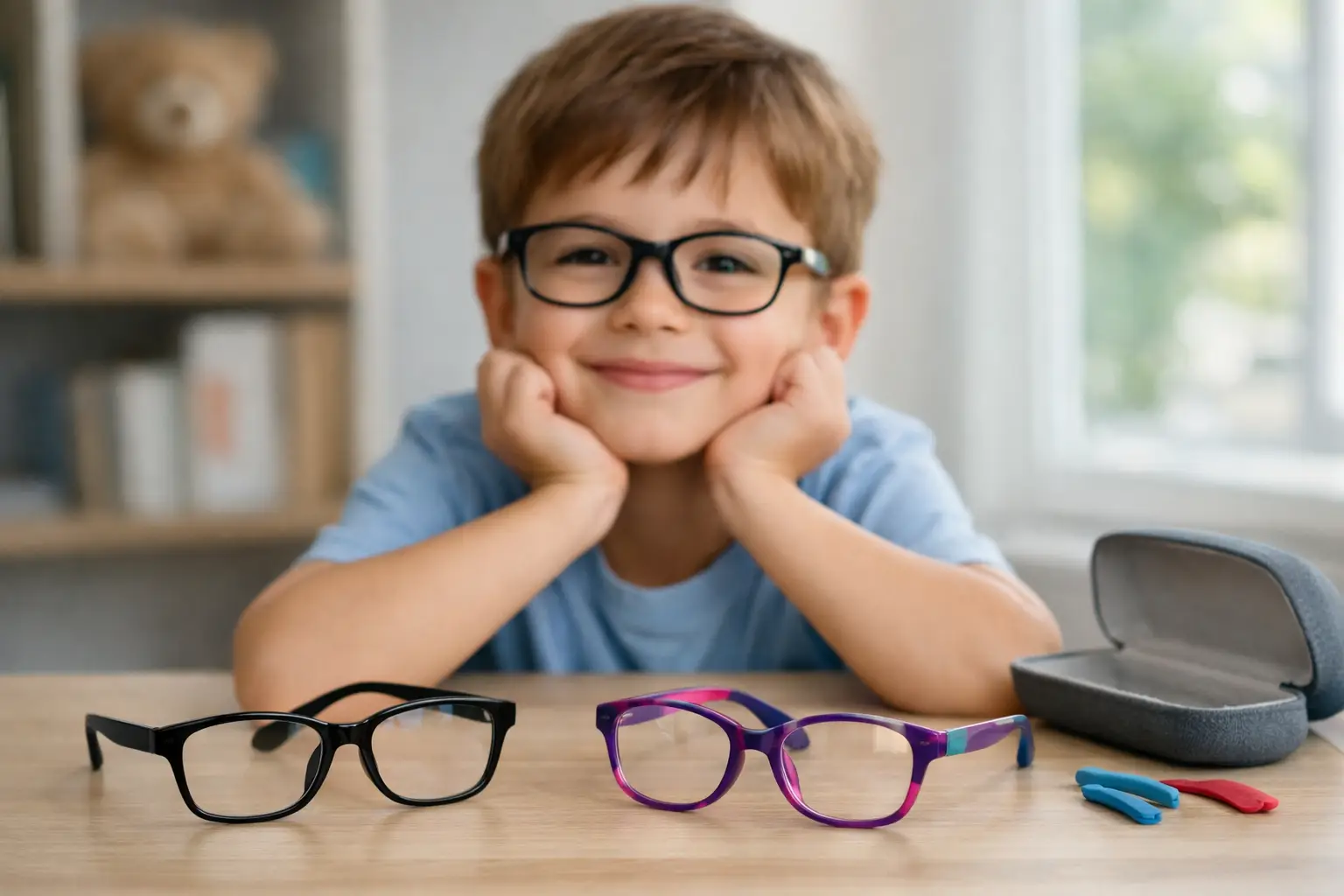
A pair that looks cute in the store can turn into a daily battle at home if it slides down, pinches behind the ears, or feels too heavy by lunchtime. When parents ask about the best glasses for kids, the real answer usually starts with fit, comfort, and durability – not just color or brand.
What makes the best glasses for kids?
Kids use their glasses hard. They run in them, toss them into backpacks, wear them on playgrounds, and sometimes forget they are even on. That means the best pair is the one that can keep up with real life while still helping your child see clearly and comfortably.
A good children’s frame should feel secure without being tight. It should sit properly on the bridge of the nose, keep the lenses centered in front of the eyes, and stay in place when your child looks down or moves around. If the frame is always slipping, even strong lenses will not feel helpful for long.
Durability matters too, but there is a balance. Very rigid frames can hold their shape well, but they may feel less forgiving on active kids. More flexible materials can be more comfortable and a little more forgiving with bumps and bends, though not every flexible frame fits every child equally well. That is why trying them on with guidance matters more than picking the first frame labeled as kid-friendly.
Fit comes before style
Most parents understandably start with appearance because that is what kids notice first. A child who likes how their glasses look is more likely to wear them. But before choosing the fun color or favorite shape, pay close attention to how the frame actually fits.
The bridge and nose fit
One of the biggest issues in children’s eyewear is a poor bridge fit. If the nose area is too wide, the glasses slide down constantly. Kids then start pushing them up all day, which gets frustrating fast. A better bridge fit helps the glasses stay where they belong and makes them feel more natural to wear.
This can be especially important for younger children, whose facial features are still developing. Not every kids’ frame is designed the same way, so the right option is often the one that matches your child’s face shape rather than the most popular frame on the board.
Temple length and ear comfort
The arms of the glasses should rest comfortably over the ears without digging in. If they are too short, the frame may feel tight and leave marks. If they are too long, the glasses may shift around too much. Children may not always explain this clearly. They may just say, “I don’t like them,” when what they really mean is that the fit feels off.
Lens position matters
Parents often focus on the frame front, but lens placement matters just as much. The child’s eyes should sit well within the lens area so they are looking through the correct part of the prescription. This becomes even more important with stronger prescriptions.
Choosing frames that can handle real life
There is no such thing as completely unbreakable glasses, but some frames are much better suited to children than others. Materials, hinge design, and frame shape all play a part.
Plastic frames are often popular for kids because they are lightweight, come in fun colors, and can feel comfortable for all-day wear. Metal frames can also work well, especially for older children who want a slimmer look. In many cases, the better choice depends on your child’s age, habits, and how carefully they tend to handle their things.
For very active kids, spring hinges can be useful because they allow some extra movement at the temples. That does not mean they prevent every repair, but they can help reduce stress on the frame during normal use. Rounded edges, flexible materials, and simple shapes can also make a frame easier for younger children to wear.
A frame should also suit your child’s routine. If they play sports, spend lots of time outdoors, or tend to be rough on belongings, that should influence the recommendation. Honest guidance matters here because a frame that works for a careful 12-year-old may not be the best choice for a busy 6-year-old.
The best lenses for kids are usually simple and strong
When parents hear lens options explained, it can start to feel overwhelming. For most children, the goal is not to add every available upgrade. It is to choose lenses that are clear, durable, and practical for school, play, and everyday life.
Polycarbonate or similar impact-resistant lens materials are often a smart choice for children because they are lighter and more durable than standard plastic lenses. That extra durability matters. Kids are active, and accidents happen.
Scratch resistance is also worth considering, though no lens is truly scratch-proof. A good coating can help lenses hold up better over time, especially for children who are still learning how to clean and store their glasses properly.
Anti-reflective coating can be helpful too, especially for kids who spend long hours reading, using screens for school, or working under bright classroom lights. It can improve clarity and reduce some distracting glare. For some families, it feels worthwhile right away. For others, keeping the cost lower is the bigger priority. Both are reasonable. The right choice depends on your budget and your child’s day-to-day needs.
Best glasses for kids by age
What works for a preschooler is rarely the same as what works for a middle school student. Age changes the fit, the style preferences, and how the glasses are used.
Younger kids
For younger children, comfort and security usually matter most. Lightweight frames with a stable fit tend to work best. Kids this age are less likely to tolerate glasses that slide, wobble, or feel heavy.
Elementary age kids
At this stage, children often care more about appearance and may start having stronger opinions about color and style. That is a good thing. If they feel involved in the choice, they are usually more willing to wear the glasses consistently.
Tweens and teens
Older kids often want frames that look more grown-up. They may prefer slimmer shapes, designer-inspired looks, or frames that feel less “kid-like.” The challenge is finding something they feel confident in without giving up the durability and fit they still need.
How to know if your child actually likes the glasses
Children are honest, but not always specific. A child who says the glasses are “weird” may mean they are too heavy, too tight, or sliding down. A child who keeps taking them off may not be resisting the prescription at all – they may just dislike the frame.
Watch what happens after a few minutes of wear. Are they touching the glasses constantly? Do red marks show up behind the ears or on the nose? Are they tilting their head or peeking over the lenses? These are useful signs that something may need adjusting.
That is one reason personalized service matters so much when shopping for children’s eyewear. A quick sale is not enough. Kids often need careful measuring, proper adjustments, and support after they take the glasses home.
What parents should ask before buying
It helps to ask simple, practical questions. How easy is this frame to adjust? Is the lens material a good match for an active child? What kind of warranty or repair support is available if something happens? Can the frame be tightened or refit easily as needed?
These questions often matter more than brand names. Children’s glasses are not just a purchase – they are something your child needs to use every day. Having local support for adjustments, repairs, and replacement options can make the whole experience much less stressful.
That is where an independent optical store often feels different. Instead of being pushed toward the most expensive option, families can get honest advice based on what actually fits the child, the prescription, and the budget. At Dala Optical, that kind of one-on-one help is a big part of making eyewear easier for parents.
The best choice is the one your child will wear
Parents sometimes feel pressure to find the perfect pair right away. In reality, the best glasses for kids are the pair that fits properly, suits the prescription, holds up to daily life, and makes your child feel comfortable enough to keep them on.
That may mean choosing a simpler frame with better fit over a trendier one. It may mean spending a little more on stronger lenses but keeping the frame affordable. Or it may mean coming back for an adjustment after a week once your child has had time to wear them in real life.
If the glasses feel good, work well, and your child feels confident wearing them, you are on the right track. A good pair should make the day easier, not become one more thing to fight about.
Leave a Reply